
In offshore wind farms, the safe and reliable operation of offshore wind turbine systems is of paramount importance. However, the complexity and harsh conditions of the offshore environment can lead to equipment failures and potential risks. To identify faults and mitigate risks in a timely manner, distributed fiber optic temperature sensing technology can be used to determine the location of offshore risks and faults. By deploying fiber optic sensors along cables or structures, temperature changes can be monitored in real-time.

Fiber deployment:
Distributed fiber optic sensors are deployed around the cable lines and critical areas of offshore wind power facilities and wind turbine systems. These sensors are in close contact with the structures and cables by utilizing fiber optic cables, enabling real-time monitoring of temperature changes.
Temperature monitoring:
Using distributed fiber optic temperature sensing technology, temperature data is captured by the fiber optic sensors and transmitted to the monitoring system for real-time analysis. This data provides crucial temperature information to detect potential risks and faults.
Fault diagnosis and localization:
The monitoring system analyzes and processes the collected temperature data. By comparing it with predetermined temperature thresholds, temperature anomalies or faults can be detected. For example, an increase in temperature may indicate cable overload or equipment malfunction.
Real-time alerts and response:
Based on the position of the sensors and the temperature data obtained, the location of the fault or risk can be determined. Once the distributed fiber optic temperature sensing system detects a temperature anomaly or fault, timely alerts are triggered with precise localization. Maintenance teams can then respond accordingly, dispatching personnel to the location of the fault for repairs, replacing faulty equipment, or implementing other necessary maintenance measures.
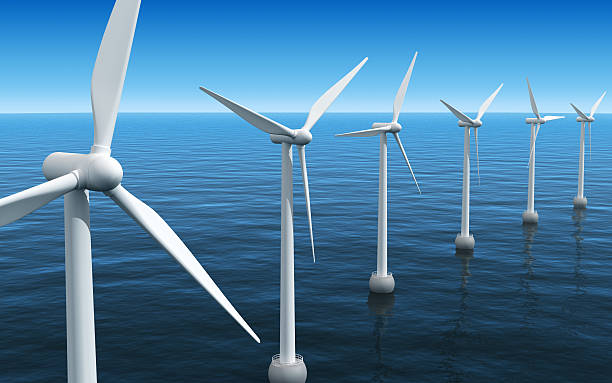
Distributed fiber optic temperature sensing technology provides real-time temperature monitoring and fault localization capabilities for offshore wind farms. It helps maintenance personnel to timely identify potential risks and faults, and take appropriate measures for repair and maintenance, ensuring the safe operation and efficient power generation of the wind turbine systems. Additionally, distributed fiber optic temperature sensing technology is waterproof, corrosion-resistant, and well-suited for the harsh offshore environment, ensuring the safety and reliable operation of offshore wind power systems.
For advice on offshore wind export cable monitoring, share your monitoring distance, installation environment and integration requirements with our engineering team. We can help assess sensor placement, commissioning and acceptance criteria for your project.