
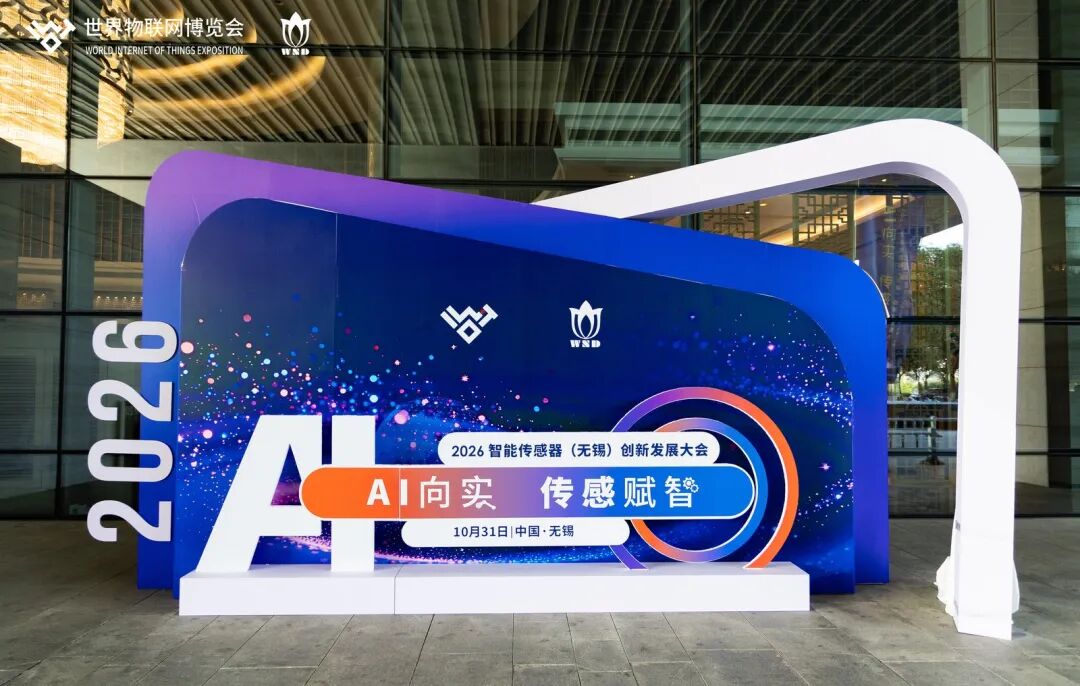
The 2026 Intelligent Sensor Innovation and Development Conference took place in Wuxi High-tech District on October 31. Held as part of the World Internet of Things Exposition, the event brought sensor manufacturers, research organizations and industrial users together. Wuxi Brillouin Electronic Technology Co., Ltd. joined the product launch program, presenting developments that connect fiber optic instrumentation with field applications.
Reporting sources: Wuxi Municipal Government · Baidu Baijiahao industry report
Six new products for a range of field applications
Media coverage of the conference reported six new products from Wuxi Brillouin, addressing optical communications testing, infrastructure, power temperature monitoring, perimeter security, vibration and acoustic signature monitoring. Each application places different demands on sensing distance, data type, installation and system interfaces.
Product development therefore involves more than optical components and interrogation algorithms. Installation methods, data integration and reliable operation also matter. Connecting the monitored asset, measurement chain and software interface helps turn instrument readings into information that maintenance teams can use.
A portfolio covering temperature, acoustics and strain
The Wuxi Brillouin portfolio includes Distributed Temperature Sensing (DTS), Distributed Acoustic Sensing (DAS), Brillouin temperature and strain monitoring using BOTDA/BOTDR, and silicon photonic sensing products. Temperature profiles, disturbances along a route, structural strain and vibration at critical points call for different instruments and sensing cable arrangements.
For cables and industrial pipelines, continuous temperature profiles help teams identify local heating. For pipelines and perimeters, acoustic and vibration measurements provide data for event recognition. For bridges, tunnels and other structures, temperature and strain measurements support the observation of loading changes and longer-term trends.
Turning technical exchange into application partnerships
The conference provided a meeting point between sensing technology and industry requirements. Wuxi Brillouin's founding team has dedicated 20 years to fiber optic sensing and continues to expand its applications. Discussions with partners cover instrument selection, sensing cable installation, data platforms and commissioning, translating project requirements into practical system configurations.
The engineering questions behind a product launch
For industrial users, instrument selection usually starts with a specific question: which cable section needs continuous temperature observation, which pipeline needs activity monitoring, which structure needs strain measurements, or which rotating machine needs dynamic data. Defining the asset and task comes before selecting sensing elements, fiber routes, channel counts and software displays. The combination of products should follow those practical needs.
Work after a launch includes discussing applications and refining configurations. Cable temperature monitoring requires software zones to match field locations. Pipeline acoustic monitoring needs representative background recordings and event samples. Structural monitoring requires suitable coupling between the sensing cable and the measured asset. Instrument settings, installation and software data must work together to produce usable measurements over time.
Industry collaboration helps products reach the field
Reporting on the Wuxi sensor industry describes a network spanning components, instruments, systems and applications. Fiber sensing also depends on optical components, electronics, mechanical design, software and testing. Before an interrogator is used on site, its assembly and testing must be followed by integration with sensing cables, communications networks and the user's data systems.
Wuxi Brillouin brings together core technology development, instrument manufacturing, software platforms and application engineering. Collaboration with partners covers not only equipment delivery but also route planning, interface requirements and commissioning. Discussing these details early helps reduce repeated configuration changes after equipment arrives.
Using project information to make technical discussions more useful
Field photographs, route drawings, installation length, available space and existing interfaces often provide more useful starting points than a single instrument specification. They help establish where continuous sensing is appropriate, where point sensors are needed and how measurements should be divided into zones, displayed and stored.
Once the system is in use, location calibration, channel names and historical records should reflect the user's asset management practices. When measurements change, maintenance teams can identify the relevant asset, review the trend and relate it to field inspection. Wuxi Brillouin continues to develop these engineering details alongside its products and industry partnerships.
Explore our fiber optic sensing products and systems or discuss a configuration for your monitored assets.